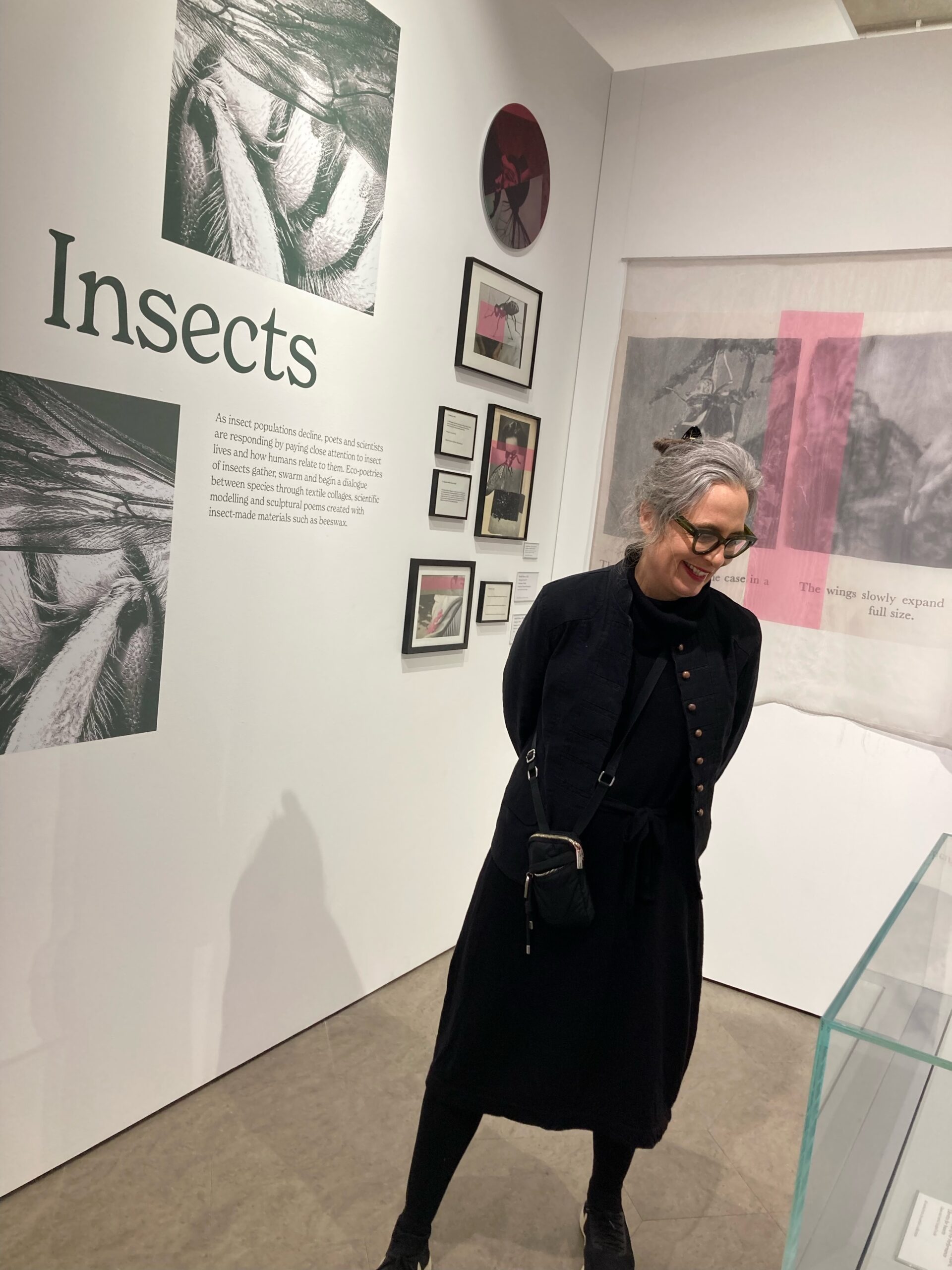
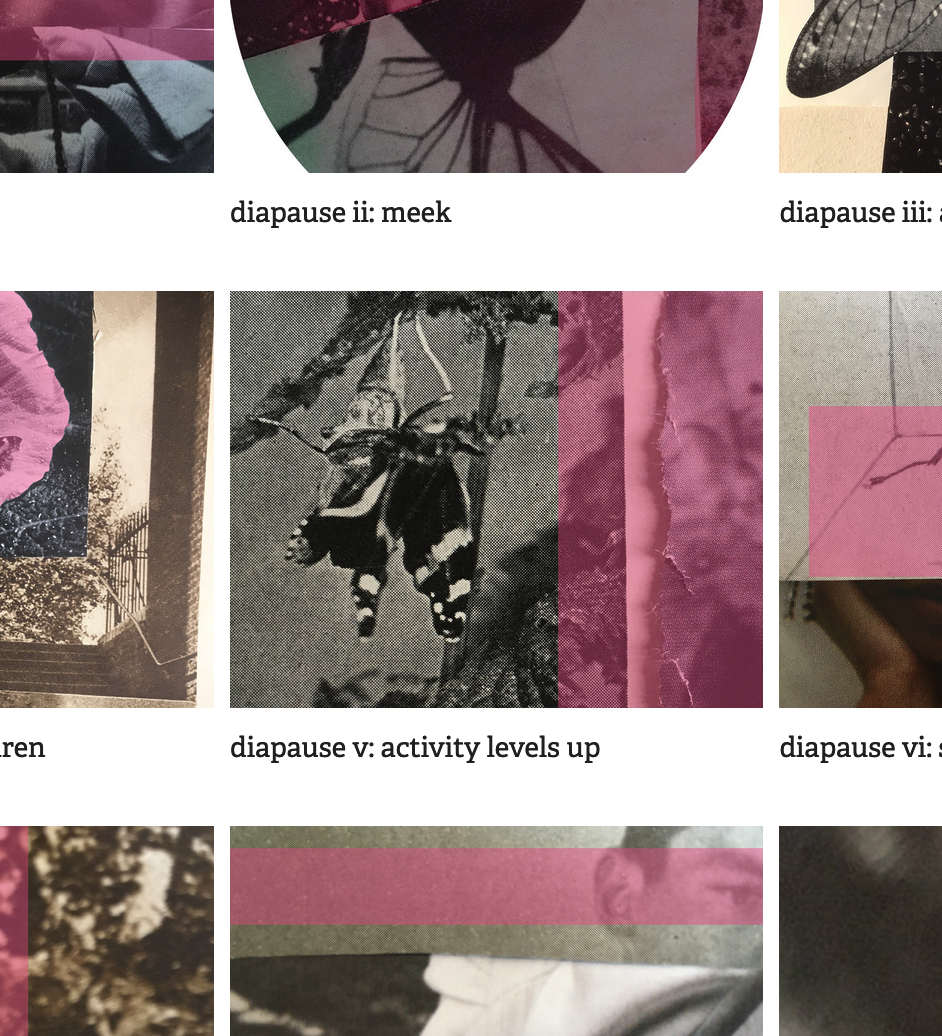
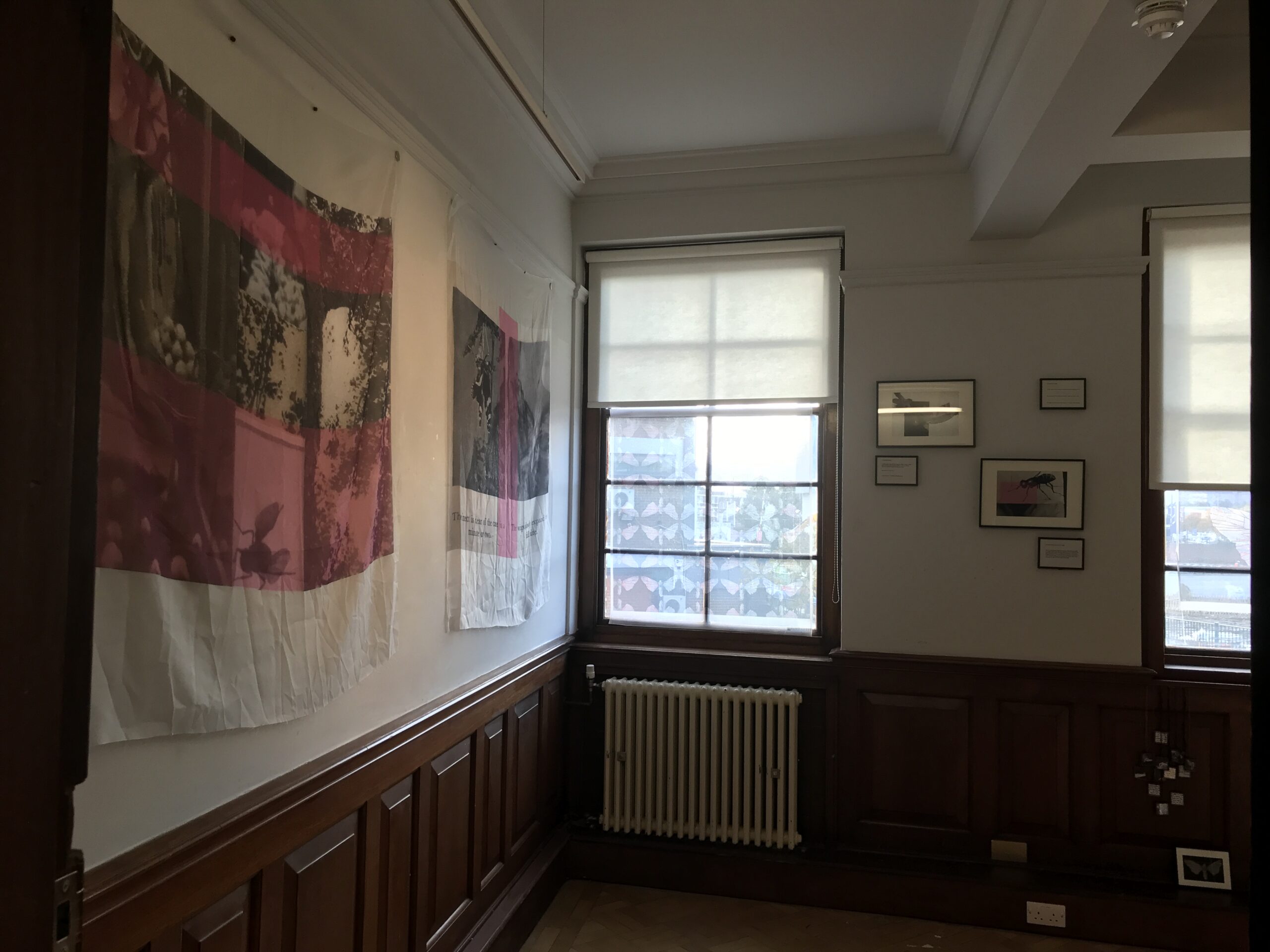
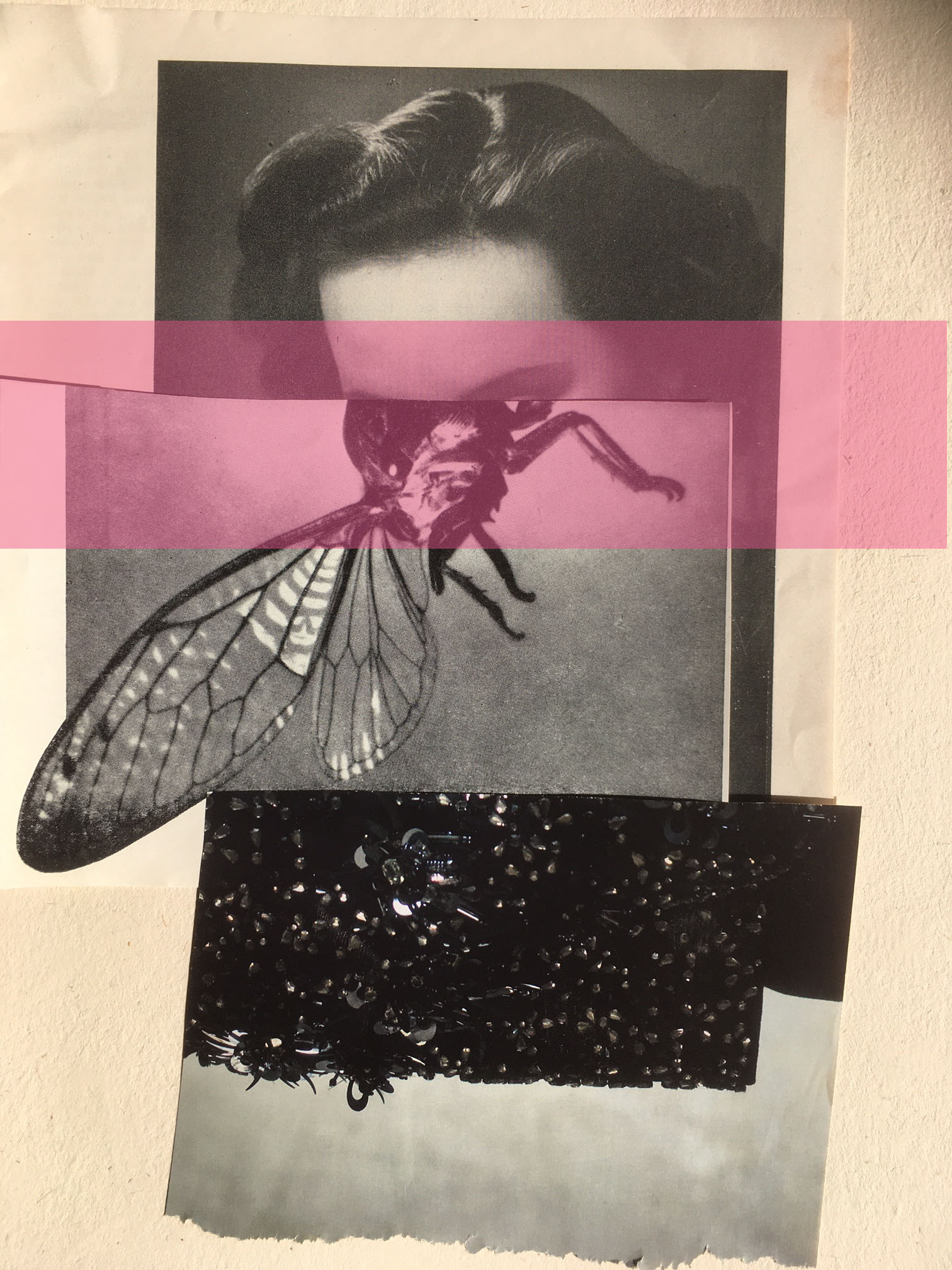
This exhibition is curated by my Phd students: Briony Hughes, Caroline Harris and Gareth Hughes in collaboration with the Culture Team at Royal Holloway. It features work from artists and writers working with text and image in relation to ecological and environmental issues. It reflects the cultural environment and work of the practice-based students that I teach at MA and Phd level on the Poetic Practice pathway and some of the work by contemporaries that we admire, including: Susan Johanknecht and Kate Meynell and JR Carpenter. Really delighted to be showing some of my work from the Plume of the Volants series in this company.
This exhibition is open from 17 January 2024 – 24 March 2024 in the Davison Building Exhibition Space at Royal Holloway.
“Silence cannot be heard in terms of pitch or harmony: it is heard in terms of time length” John Cage

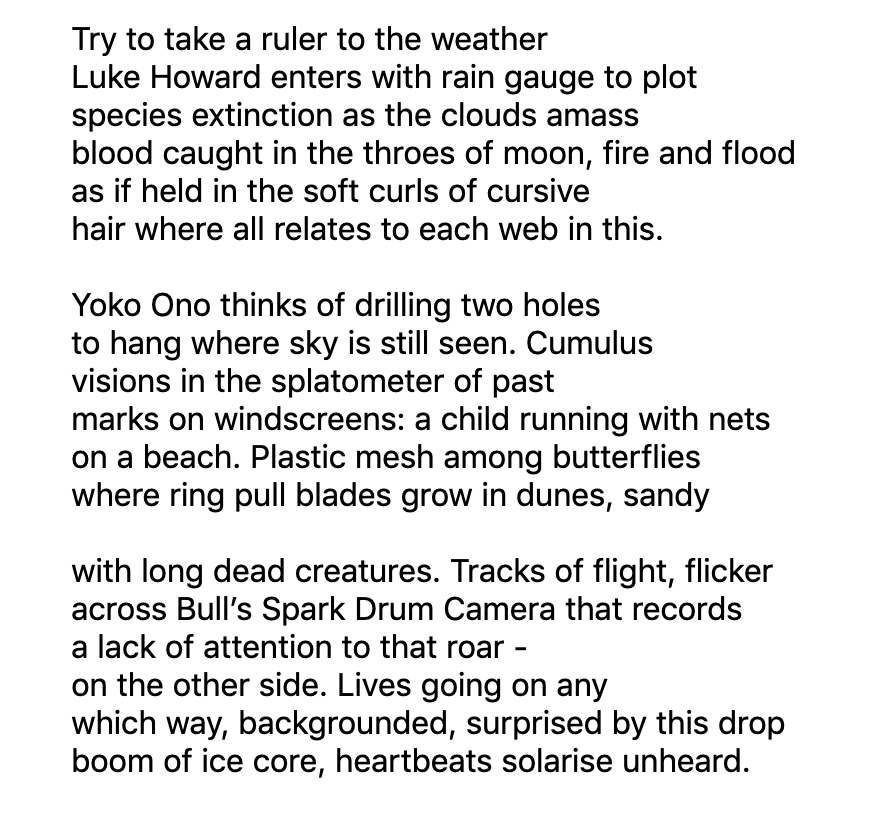
“If we had a keen vision of all that is ordinary in human life, it would be like hearing the grass grow or the squirrel's heartbeat, and we should die of that roar which is the other side of silence” Middlemarch, George Eliot.
The naming of clouds proves a starting point. In possibility we name the shapes as if to produce an inventory of natural phenomenon of the unnoticed or forgotten. A change in climate affects the dew point. An increase in humidity magnifying the effects of heat waves. A body unable to cool.
Noise of silence as music is not a new approach. Thunder sheet. A roar on the other of silence. Go back into the things dismissed as noise with new parameters of attention, make new sense of the data. Parameters set while agreeing that it cannot know how to in advance of itself. A process of unfolding.
Distinctions between central and peripheral tone are eroded or bagged out into new stories. This is not about the expansion of everyday sounds into music but concerns the attention and tuning of location to the everyday.
Once the containers and containment of measurement are exhumed we find ourselves in the frame as prime enemies of climate justice and more. Facts picked up in the data with the question of what is noticed, how and for what purpose?
Fragments From an Interspecies Opera: Acis and Galatea Rewilded, or, a Serenata; or Pastoral Entertainment in the Age of Extinction
The moths that appear in this film were gifted by the renowned entomologist Dr Roger Key to Will Evans who is a current PhD researcher on the BioDar project at The University of Leeds. The moths were contained in four boxes acquired by Key nearly twenty years ago when the Leeds City Museum restructured its collections. Although the moths were in an undamaged condition, they did not have enough data attached to them to warrant keeping. Dr. Key’s own collection, that he made as a child, was donated to Scunthorpe Museum during the 1970s. When Dr. Key visited the museum there he found that his boyhood collection had been reduced to powder by museum beetles, booklice, clothes moths and mites. Will Evans was taught his insect identification skills by Dr. Key.
Will Evans collaborated with Redell Olsen in the making of this film by scanning the moths on the project’s newly acquired Artec 3D scanner. Filming took place under lockdown. Evans set up the insects in the lab and they were then filmed by Olsen through a digital online platform as Olsen directed Evans to move the view of the insects by moving the cursor on his screen. That the cursor remains visible in the final film offers a trace of the process and production involved, a Brechtian reminder of agency and control rather than a Hollywoodization and reification of insects long dead.
The audio that accompanies the film reimagines George Frideric Handel’s pastoral opera, Acis and Galatea with the new lyrics of an imagined inter-species opera, extracts of which are performed in collaboration with the Chorus of Opera North and bass-baritone Matthew Stiff, as a response to the current climate crisis and environmental degradation.
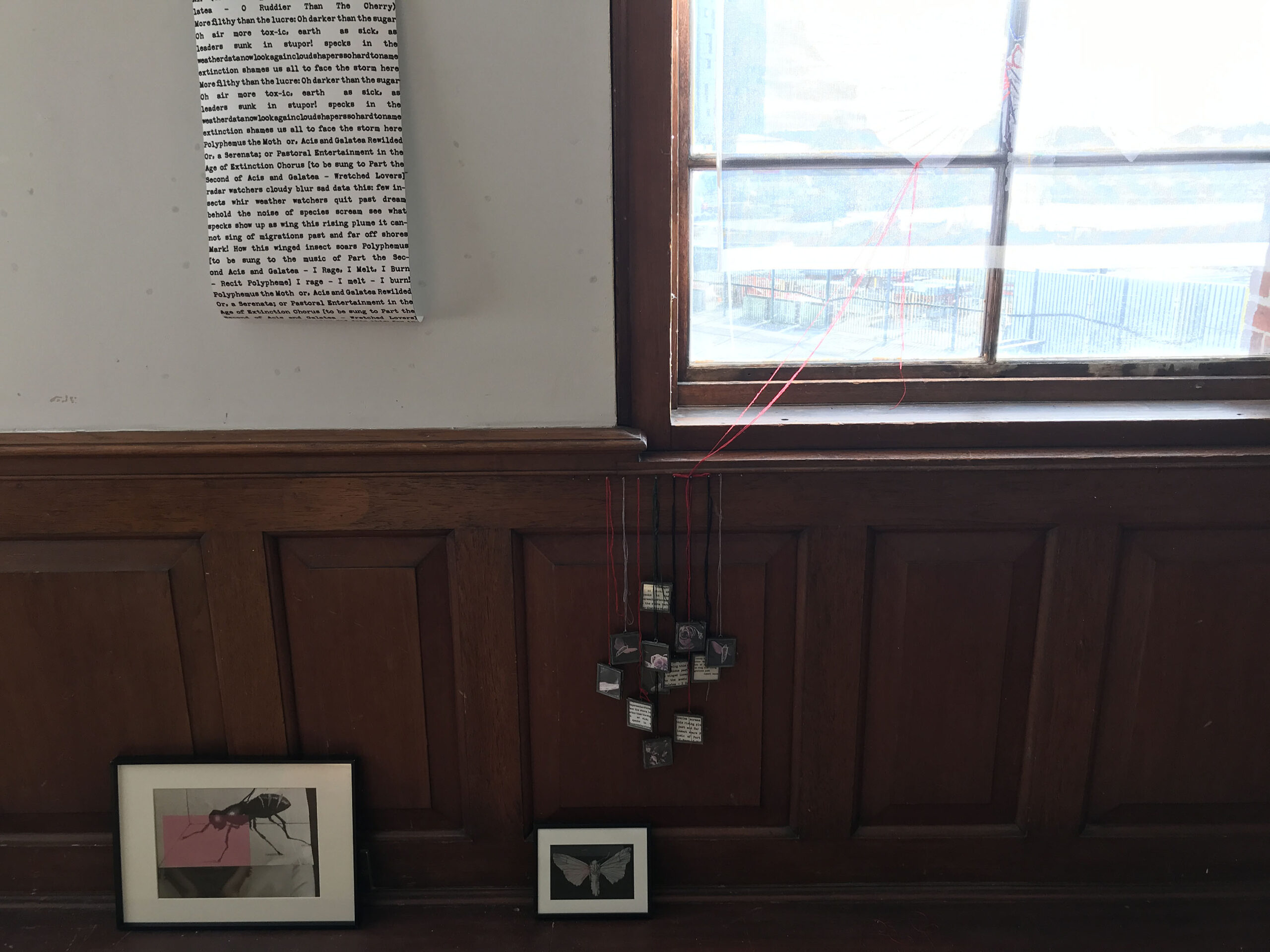
The new text of Handel’s air to be sung to the music of Acis and Galatea – O Ruddier Than The Cherry holds particular contemporary relevance in relation to the meetings by international leaders at Cop26 in November 2021.
Opera North Oliver Rundell and the Chorus at Opera North: Sarah Blood, Sarah Estill, Rachel J Mosley, Victoria Sharp, Anna Barry, Cordelia Fish, Katie Walker, Warren Gillespie, David Llewellyn, Arwel Price, Graham Russell, Ivan Sharpe, Paul Gibson, Ross McInroy, Richard Mosley-Evans, Jeremy Peaker, Gordon Shaw with Martin Pickard – piano ‘radar watchers’. Matthew Stiff – ‘bass-baritone’, David Cowan – piano
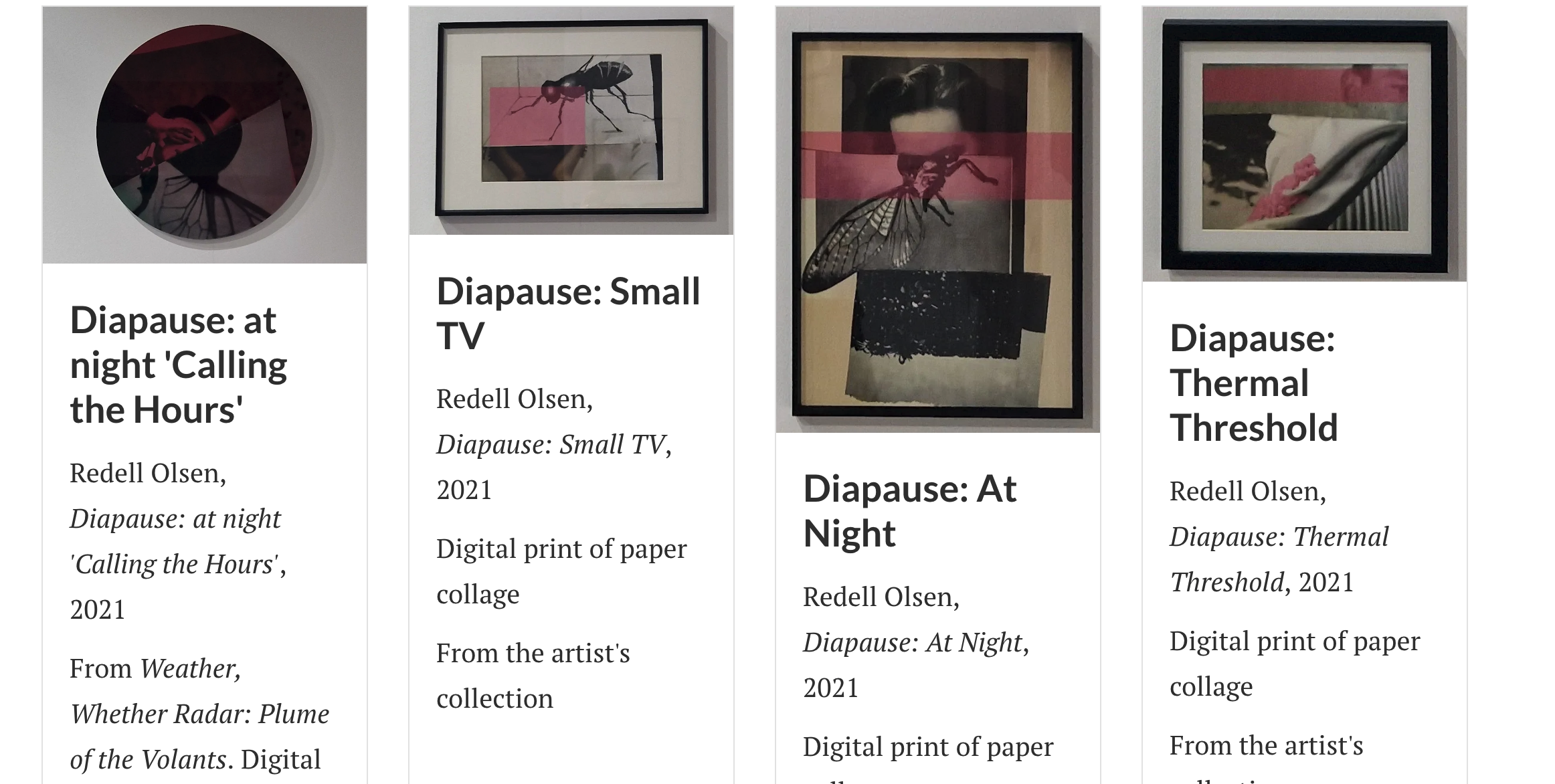
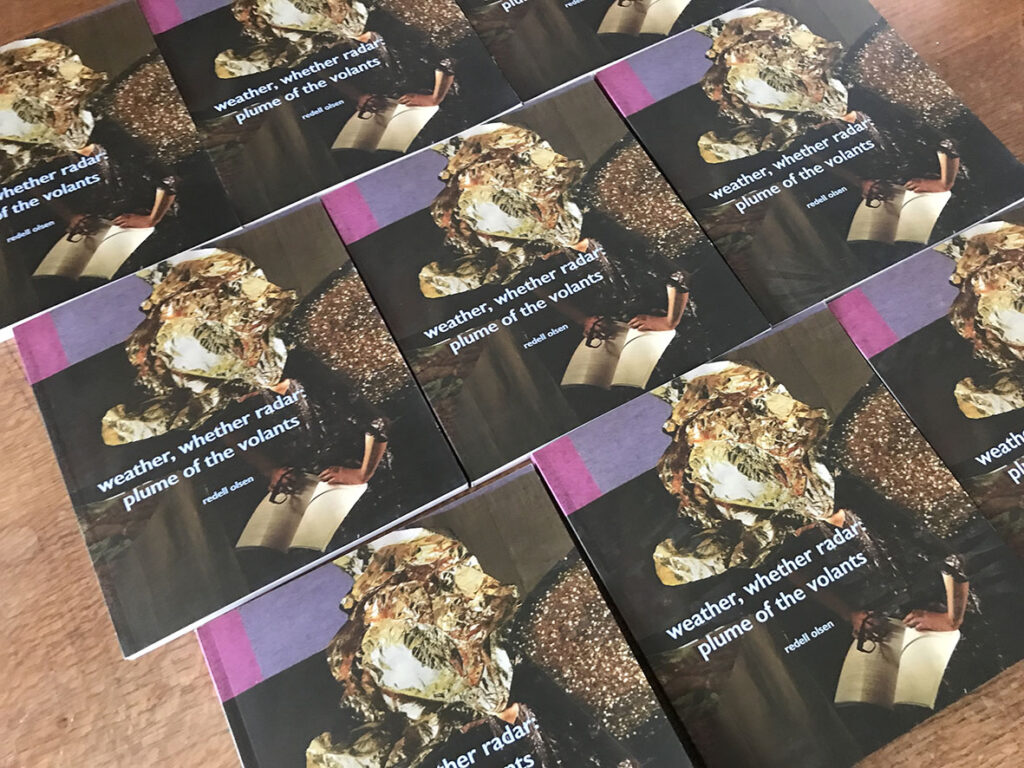
Redell Olsen, Weather, Whether Radar: Plume of the Volants
3 November – 7 November 2021
10:00 – 17:00
Free, No Booking Required
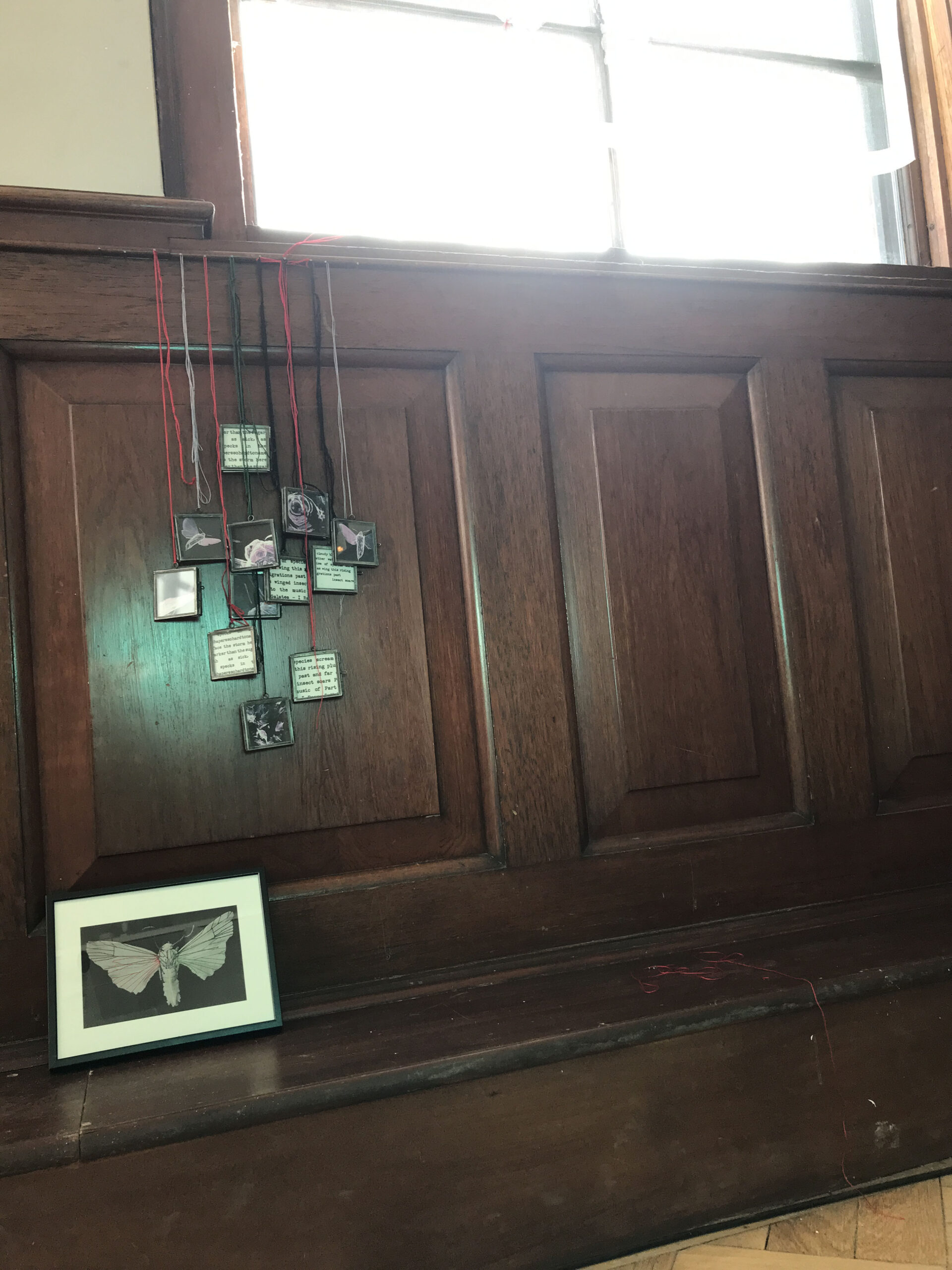
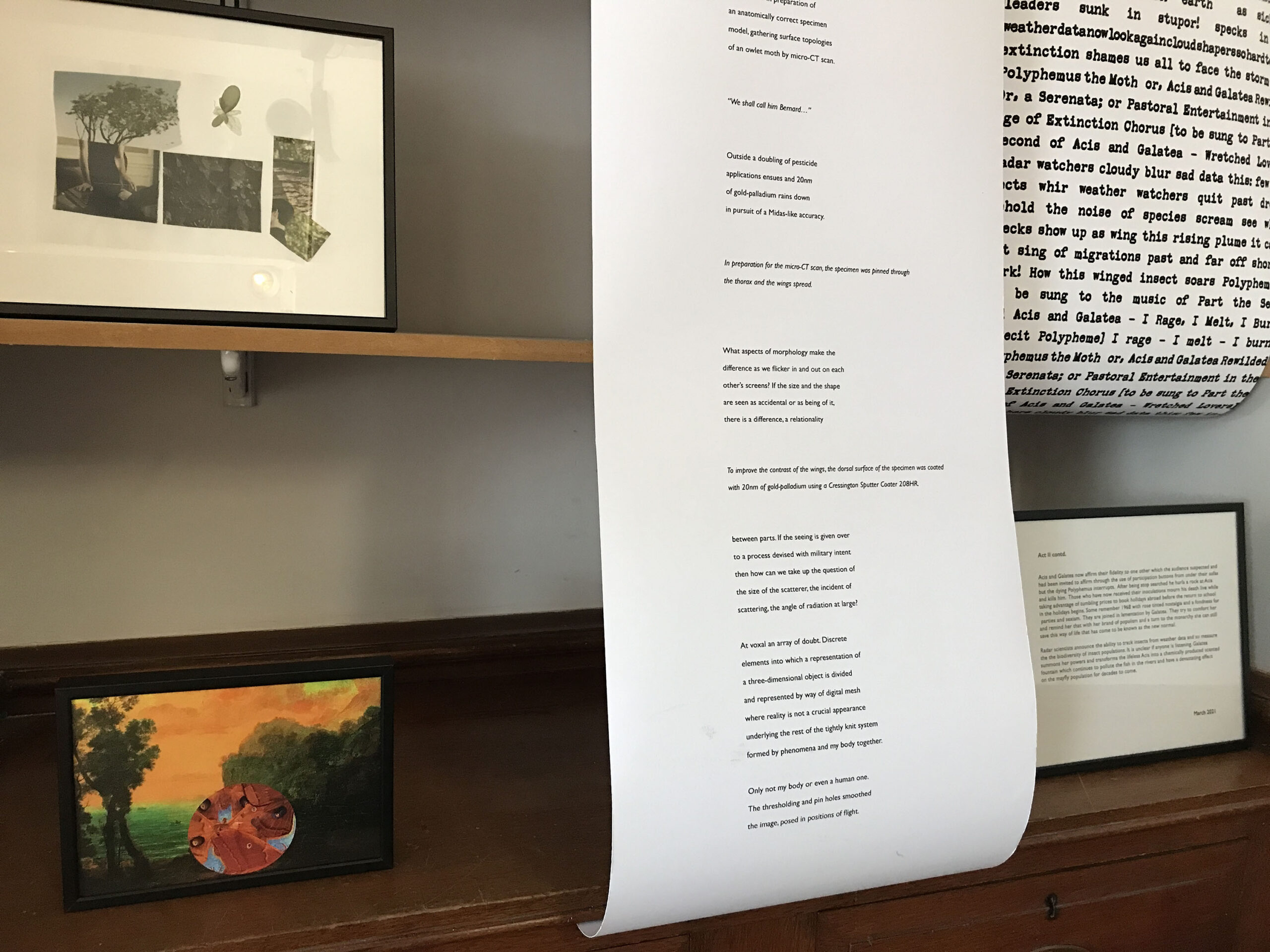
The DARE Art Prize presents Redell Olsen‘s new body of work, Weather, Whether Radar: Plume of the Volants at The Tetley. Join us to view Olsen’s visual, text-based and audio-visual work in her open studio.
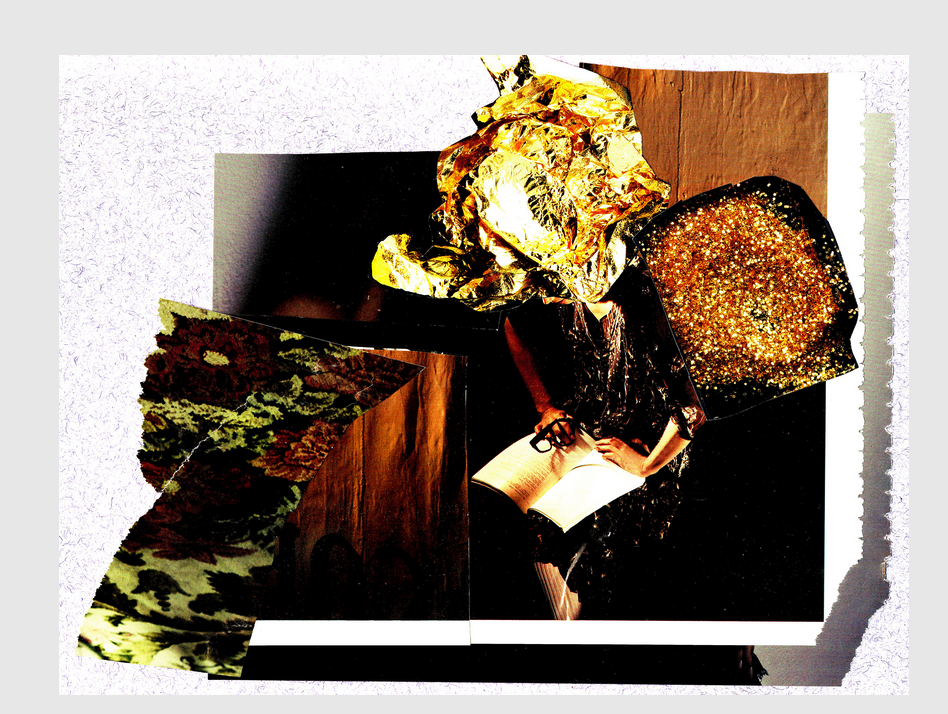
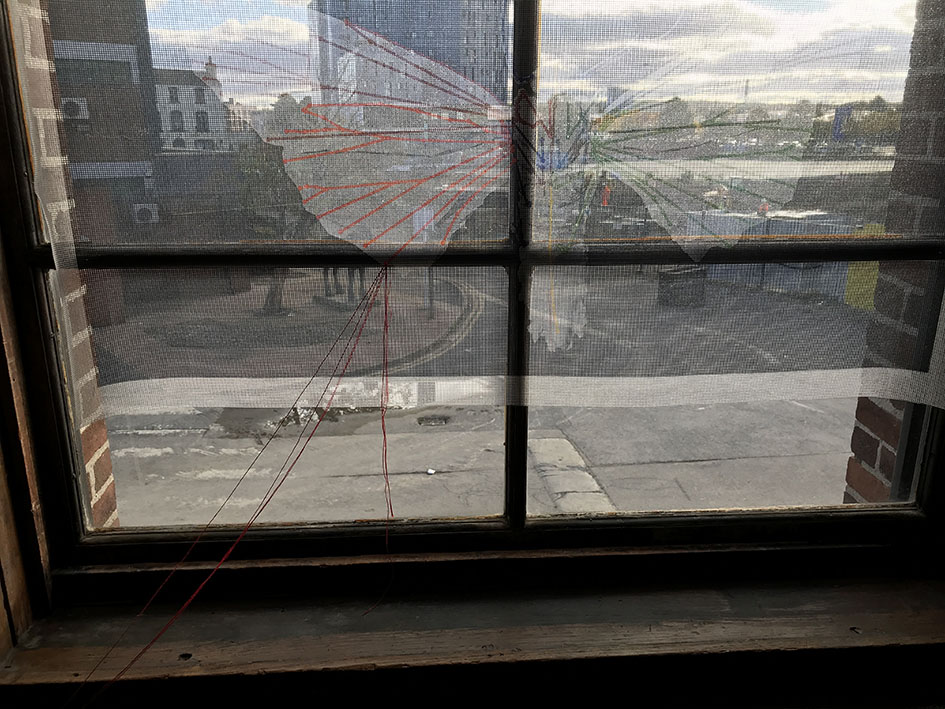
Weather, Whether Radar: Plume of the Volants engages with the work of BioDAR researchers at the University of Leeds. These scientists are using weather radar to monitor insect biodiversity. With its origins in World War Two, radar is often used to determine information about the weather. The plumes of insects that sometimes show up in this data, most famously on days such as flying ant day, have often been dismissed as just being ‘noise’.
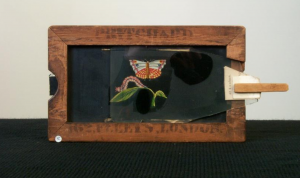
Through a consideration of objects from the National Science and Media Museum in Bradford and related archives, this body of work tracks and imagines a range of poetic, narrative, historical and cultural noises at the fragile intersections of radar, insects, weather, objects, people, music and film.
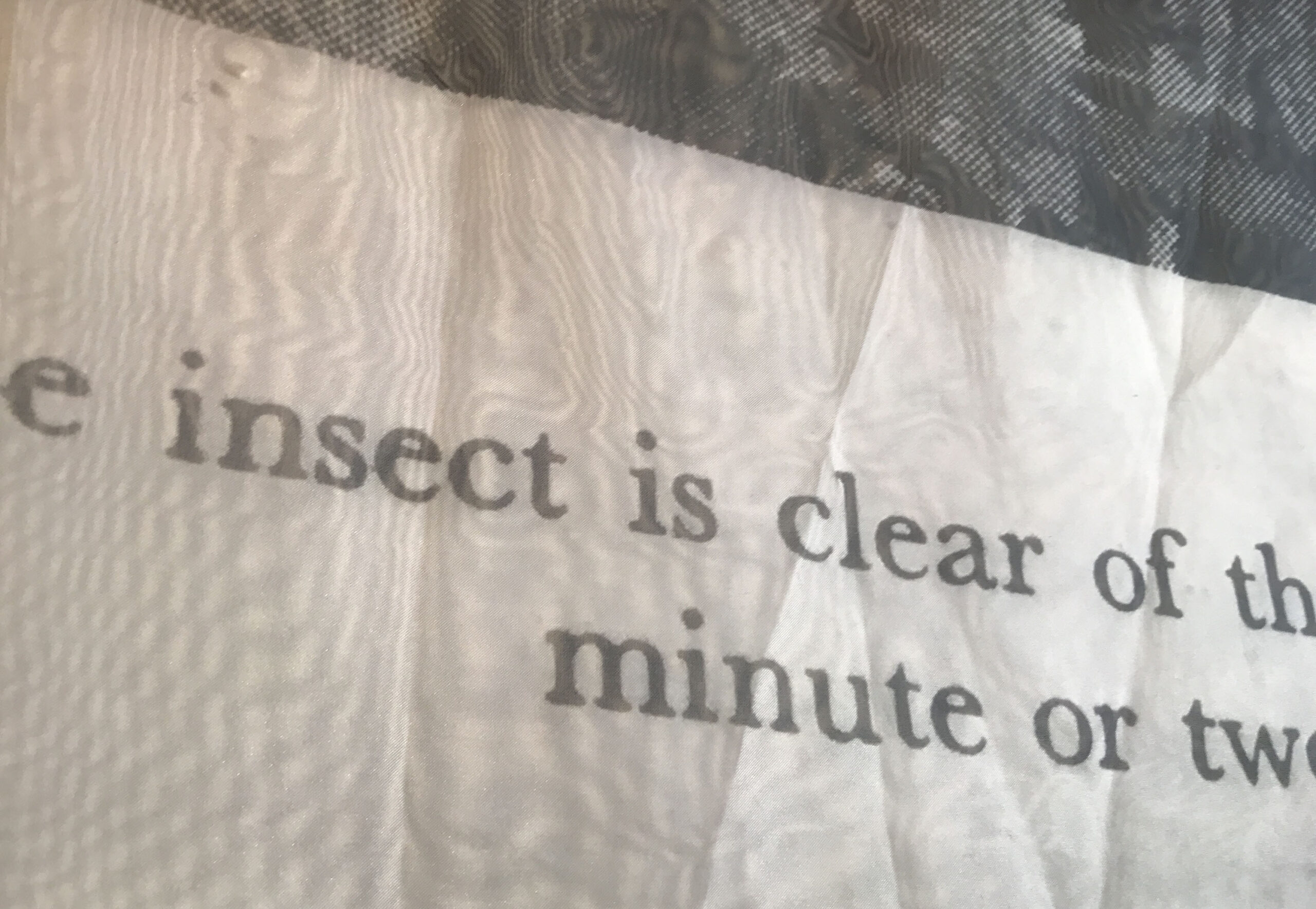
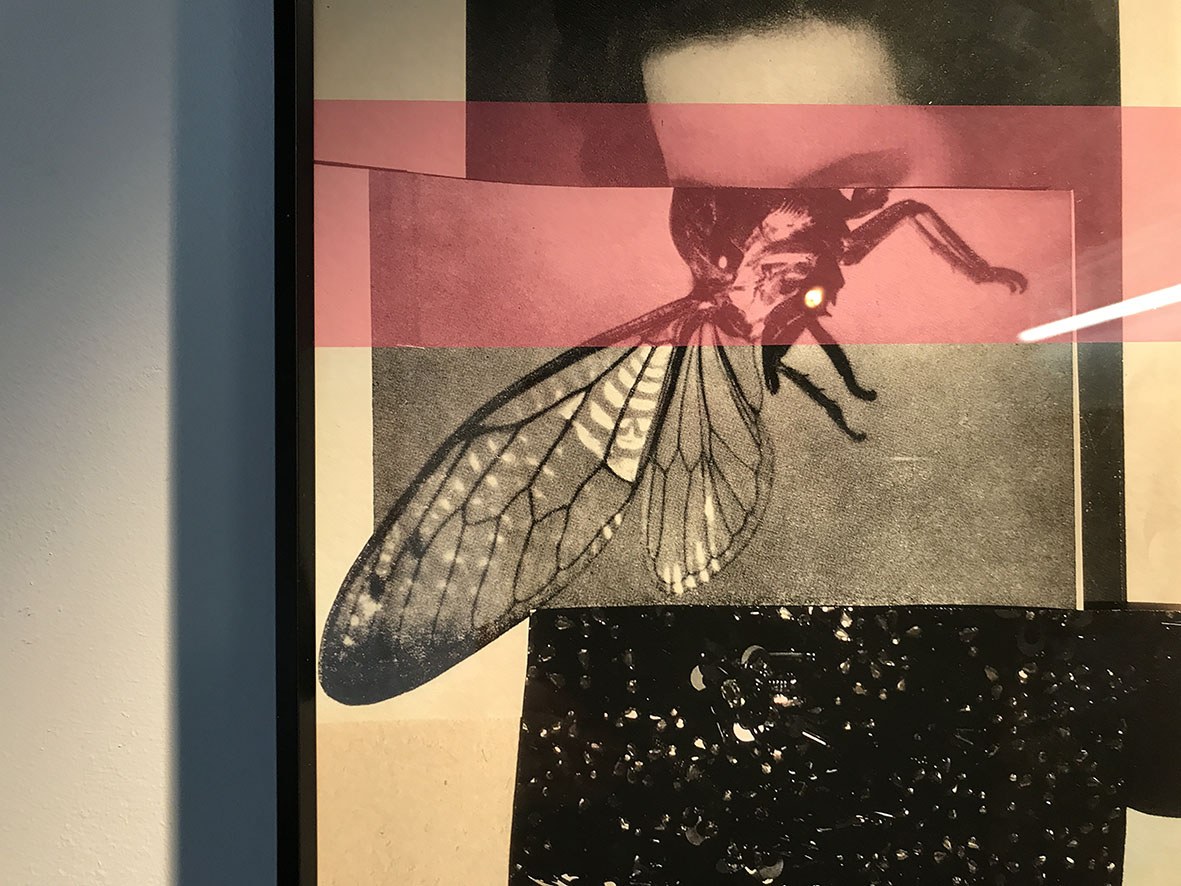
The works have involved dialogue with the BioDAR scientists and incorporate materials from their research, alongside additional sources from vintage natural history and fashion magazines. Virginia Woolf’s essay, ‘The Death of The Moth’ and George Frederic Handel’s pastoral opera, Acis and Galatea inform the lyrics of an imagined inter-species opera, extracts of which are performed in collaboration with the Chorus of Opera North and bass-baritone Matthew Stiff, as a response to the current climate crisis and environmental degradation.
In Conversation with Redell Olsen and Dominic Gray, Projects Director, Opera North Saturday 6 November, 14:00, City Workshop (Book in advance).